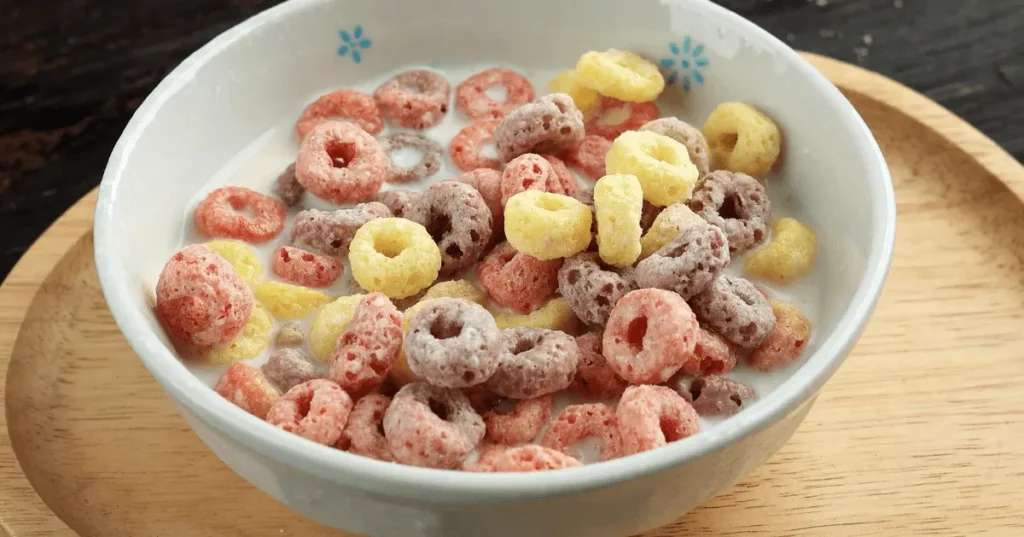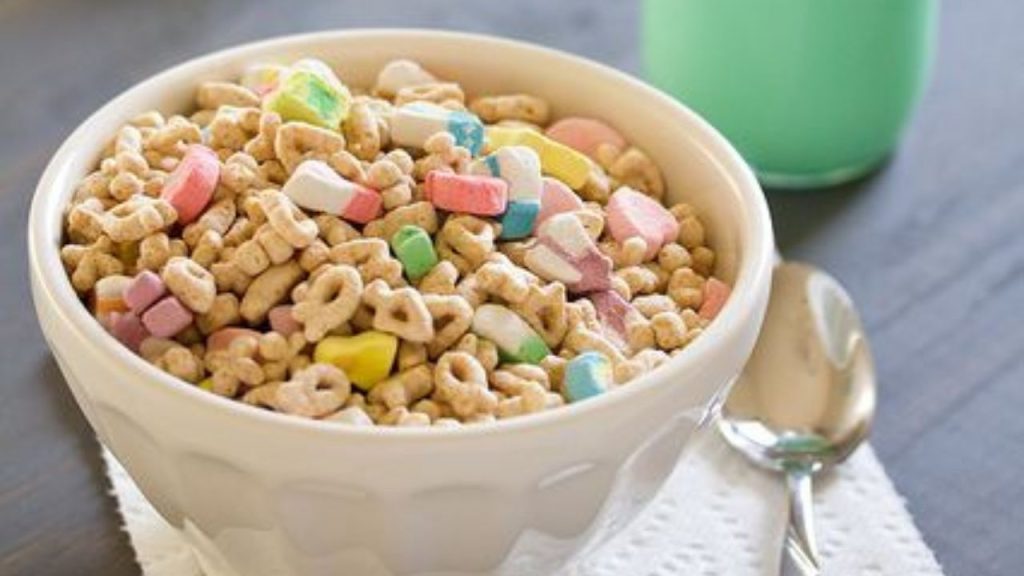
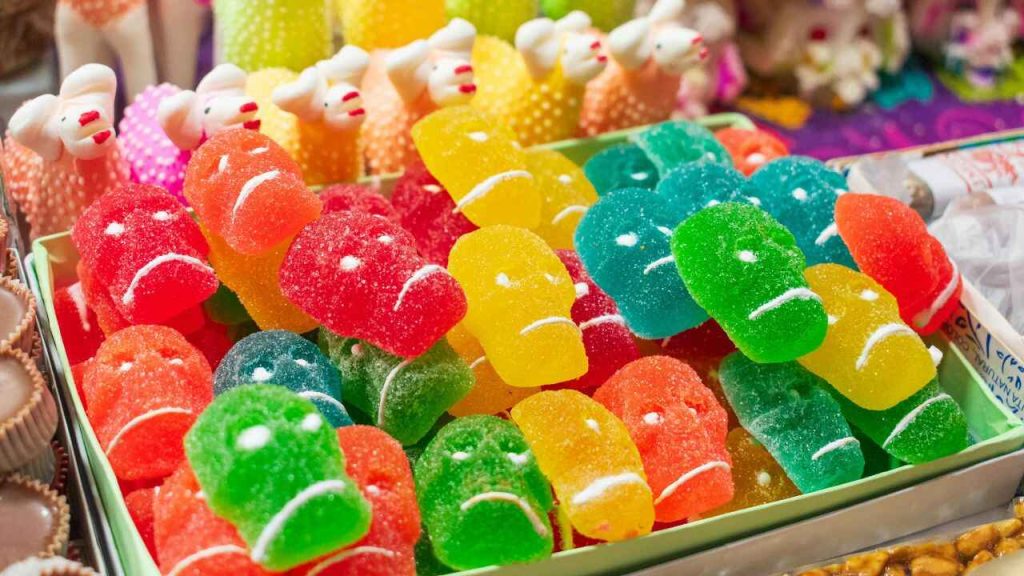
Let’s be honest about candizi for a second. Candy that has great taste. You can call it one bite sweet.
Most of it is just sugar dressed up in a colorful wrapper. You eat it, you enjoy it for about thirty seconds, and then you feel a little guilty. That’s been the deal for decades. You either eat the candy or you don’t. There was no middle ground.
Candizi is trying to change that deal entirely — and judging by how fast the brand is growing in 2026, a lot of people are ready for it.
But before we get into what makes Candizi different, it’s worth understanding *why* something like this is even possible right now. Because Candizi didn’t appear out of nowhere. It’s a product of a much larger shift in how people think about snacking, health, and what they actually want from the food they eat every day.
The Candy Industry Is Changing — Whether It Likes It or Not
The global candy market is enormous. It was valued at $75.35 billion in 2025 and is projected to hit nearly $99 billion by 2031. That’s a stable, growing industry by any measure.
But the *inside* of that market is quietly being rewired. The old model — mass production, artificial ingredients, maximum sweetness, minimum thought — is losing ground to something more deliberate. A 2025 survey of 2,000 U.S. consumers found that 57% actively seek healthier snack options. Among people under 45, that number climbs to 58%. And 62% said they pay attention to health claims on packaging before buying.
Those aren’t marginal numbers. That’s the mainstream.
The functional confectionery segment — sweets that actually contain ingredients designed to support your health — is growing at a compound annual rate of around 9% and is on track to reach $142 billion by 2035. In 2024 alone, sugar-free or low-sugar confectionery products made up 19% of all new candy launches. Probiotic-infused chocolate products increased by 38% between 2023 and 2025.
Something structural is happening. Consumers are no longer willing to accept that “treat” and “nourishment” have to be opposites. Brands that understood this early are winning. Brands that ignored it are reformulating in a hurry. Candizi understood it early.
What Candizi Actually Is
Candizi sits at an interesting intersection — part artisan confectionery brand, part functional wellness product, and entirely focused on making health feel enjoyable rather than medicinal.
The name itself is telling. It’s derived from “candy” and “easy” — the idea being that taking care of yourself shouldn’t require discipline, sacrifice, or swallowing something that tastes like chalk. You should be able to do it by eating something genuinely good.
At its core, Candizi produces sweets — gummies, chews, chocolates, freeze-dried snacks, and drink mixes — that combine bold, creative flavors with ingredients chosen for a purpose beyond sweetness. Depending on the product, that purpose might be energy support, digestive health, stress management, focus, or simply providing vitamins in a format people will actually remember to take.
What sets it apart from a basic vitamin gummy or a sugar-free candy isn’t one single thing. It’s the combination: real flavor innovation, ingredient transparency, aesthetic packaging, and a brand personality that feels more like a lifestyle choice than a health obligation.
The Flavor Strategy: Why Bold Actually Matters
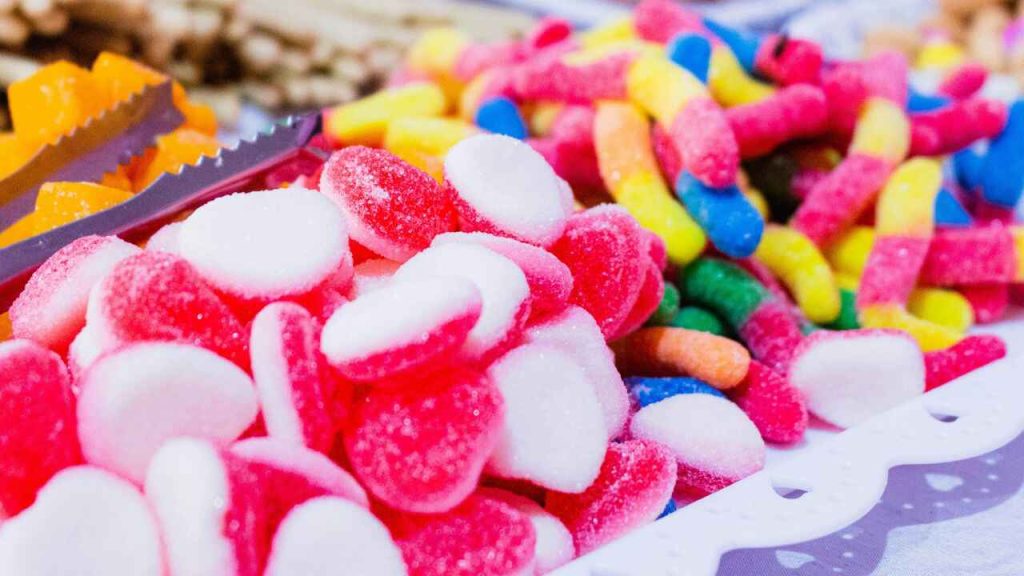
One of the most underrated things about Candizi’s approach is how seriously it takes flavor.
This matters more than it sounds. The functional wellness space has a notorious credibility problem: many products that are “good for you” taste exactly like they’re good for you, meaning bad. The moment flavor becomes a secondary concern, you’ve already lost most of the audience.
Candizi went in a different direction. Its flavor lineup reads more like a chef’s tasting menu than a supplement catalog: mango-chili, lavender-citrus, matcha-mango swirls, cardamom chai, basil-strawberry. These aren’t flavors designed to mask the taste of something unpleasant. They’re the point.
This approach aligns with one of the dominant confectionery trends of 2026 — what industry analysts call “experiential flavor.” Consumers, particularly younger ones, are actively seeking out taste experiences that surprise and challenge them rather than just confirm what they already know. The era of cherry-grape-lemon as the three acceptable candy flavors is over. Botanical and floral flavors — lavender, chamomile, rose — are surging because they tick multiple boxes simultaneously: they taste interesting, they feel premium, and they carry associations with wellness that go beyond just ingredients.
Candizi’s flavor innovation isn’t random. Each combination is tested with real consumers before launch, ensuring that the surprise of an unusual pairing lands as pleasure rather than confusion.
What’s Inside: Ingredients That Earn Their Place
The functional ingredient story is where Candizi gets genuinely interesting — and where the category distinction from conventional candy becomes most clear.
Depending on the product line, Candizi incorporates:
Adaptogens — plant compounds like ashwagandha and rhodiola rosea that help the body respond more effectively to stress. Ashwagandha in particular has decades of clinical research behind it; adaptogenic ingredients appeared in around 22% of new gummy formulations in 2025.
Prebiotics and probiotics — supporting gut health through what is essentially candy. This isn’t a gimmick. The microbiome research of the past decade has shown that gut health connects to mood, immunity, and energy in ways we’re still understanding. Probiotic-infused confectionery grew 38% between 2023 and 2025 precisely because consumers now know this and want it.
Natural sweeteners — replacing refined sugar with honey, fruit-derived sugars, or plant-based alternatives. This reduces glycemic impact without sacrificing sweetness, addressing the blood sugar spike concern that makes traditional candy feel like a bad idea.
Vitamins and plant extracts — B12 for energy, vitamin C for immunity, spirulina and turmeric for anti-inflammatory support. Vitamin gummies targeting daily nutrition expanded by nearly 40% from 2023 to 2025, reflecting how normalized this kind of fortification has become.
Plant-based coloring— replacing artificial dyes with beet extract, spirulina, turmeric, and butterfly pea flower. The colors are just as vivid. The ingredient list is substantially cleaner.
The overall philosophy is that every ingredient should earn its place. Not filler. Not mystery additives. Things that do something, wrapped in something that tastes good enough that you’ll actually keep doing it.
The Aesthetic Is Not an Accident

It would be easy to dismiss Candizi’s packaging and visual identity as superficial — the Instagram strategy, the pretty wrappers, the colors that photograph well. That would be a mistake.
There’s a reason 72% of consumers say packaging design influences their purchase decisions. Visual presentation, especially for a product that competes on novelty and quality rather than price, is part of the product itself. When something looks worth buying, people believe it might also be worth eating. And in a world where food content drives billions of views on TikTok — where Swedish candy went viral precisely because it looked unlike anything people had seen — aesthetic impact is a genuine market advantage.
Candizi’s packaging is designed to be shared. The vibrant colors, the playful presentation, the unboxing experience — all of it is built for a world where a product that photographs well gets shown to thousands of people for free. The hashtag #MyCandiziMoment exists precisely because the brand understood that satisfied customers with phones are the most effective marketing channel available.
Beyond aesthetics, Candizi uses eco-friendly materials: compostable pouches, recyclable containers, and resealable bags that reduce waste. The brand also encourages customers to reuse its jars and tins — a small detail, but one that resonates with a consumer base that increasingly weighs environmental values in their purchasing decisions.
Who Candizi Is Actually For
One of the more interesting things about Candizi is how wide its actual audience is.
On paper, you’d expect a wellness candy brand to appeal mainly to health-conscious millennials who read ingredient labels at the grocery store. And yes, that’s part of the audience. But functional confectionery research shows a more complex picture:
Middle-aged consumers (30–55) represent 32–36% of functional confectionery usage, motivated by energy, stress relief, and digestive health. Adaptogen-infused products for mood and stress saw a 25% rise in adoption among this group between 2023 and 2025.
Working adults are adopting functional chewing gum and candy as a desk-drawer alternative to coffee and sugary snacks — a category that grew 27% in the same period.
Parents are increasingly interested in functional formats for their children — gummies with vitamins and prebiotics that kids will actually eat without a fight.
Gift-givers find Candizi’s customizable boxes and premium presentation solve a real problem: finding something that feels thoughtful and special without defaulting to yet another bottle of wine.
People trying to reduce sugar intake find Candizi’s reduced-sugar and sugar-free lines give them somewhere to go when the craving for something sweet hits at 3pm and they don’t want to undo their day.
This breadth isn’t accidental. It’s the result of designing a product around what people actually struggle with — the tension between wanting something enjoyable and wanting to make good choices — rather than serving a single narrow niche.
The Bigger Picture: Why Candizi Arrives at the Right Moment
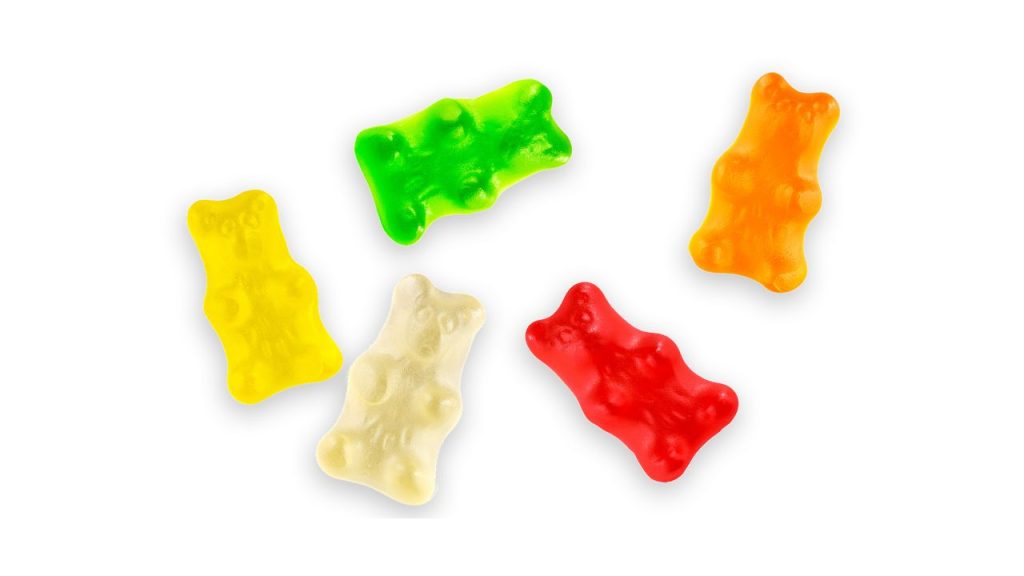
Candizi isn’t creating the functional candy trend. It’s riding a wave that’s been building for years and is now genuinely breaking.
The evidence is industry-wide. Hershey announced a partnership with a health technology firm in August 2025 to develop functional chocolates for cognitive enhancement. Ferrero launched a plant-based confectionery range in September 2025. Brands like Grenade and Quest have made high-protein chocolate bars mainstream in gyms and corner shops across the UK and US. The Functional Chocolate Company put botanically-infused bars in Target and The Vitamin Shoppe.
These aren’t small experimental startups. These are the largest confectionery companies in the world repositioning themselves because they can see where consumer demand is going.
The boundary between a candy and a supplement is dissolving. Confectionery news analysts describe it as “the wellness makeover of the candy aisle” — consumers want treats that do more than taste good, and they’re willing to pay a premium for that combination.
Candizi’s position in this landscape is that of a brand that got there by design rather than by reaction. It wasn’t originally a traditional candy company that bolted on a wellness angle. It was built from the beginning around the idea that these two things — real flavor and real function — belong together.
How to Get the Most Out of Candizi
If you’re new to Candizi or thinking about trying it, a few practical things are worth knowing.
Start with the bestsellers. The flavors that move fastest tend to be the ones that balance novelty with approachability — a mango-chili gummy is adventurous enough to be interesting, familiar enough not to be intimidating. Get your bearings there before heading into lavender-cardamom territory.
Mix formats and textures. A combination of chewy fruit gummies and freeze-dried crunch pieces gives you a different kind of snacking experience than either alone. The contrast is part of the appeal — and it’s one of the reasons Candizi works well on dessert boards and snack tables at gatherings.
Think about when you’re eating it. If you’re reaching for an energy-support product, mid-morning makes more sense than late evening. If it’s a prebiotic gummy, consistency matters more than timing — the gut microbiome benefits from regular exposure rather than occasional doses.
Watch for limited editions. Seasonal releases are genuinely different from the core lineup — they’re usually where the most experimental flavor work happens, and they’re often the products that sell out first. If a seasonal drop looks interesting, it’s worth trying sooner rather than later.
Store appropriately. Freeze-dried pieces in particular are moisture-sensitive. An airtight container in a cool, dry place preserves both the texture and the flavor intensity that makes them worth eating.
The Question Worth Asking
Is Candizi candy, or is it a wellness product?
The honest answer is that this is the wrong question.
The more useful question is:
why did we ever decide those had to be different things?
For most of human history, the ingredients that make food taste good — herbs, spices, fruit, honey, botanical extracts — were also the ingredients that supported health. The separation between food and medicine, between pleasure and function, is mostly a product of industrial manufacturing rather than a natural law.
Candizi is part of a broader return to the idea that what you eat for pleasure and what you eat for nourishment don’t have to be different things. It’s a small but real shift in how we think about everyday choices.
Whether it’s the mango-chili gummy or the matcha truffle or the freeze-dried citrus crunch — the bet Candizi is making is that people will choose the thing that does both, if they can find it, and if it tastes good enough.
learn about vitamin D rich food.