
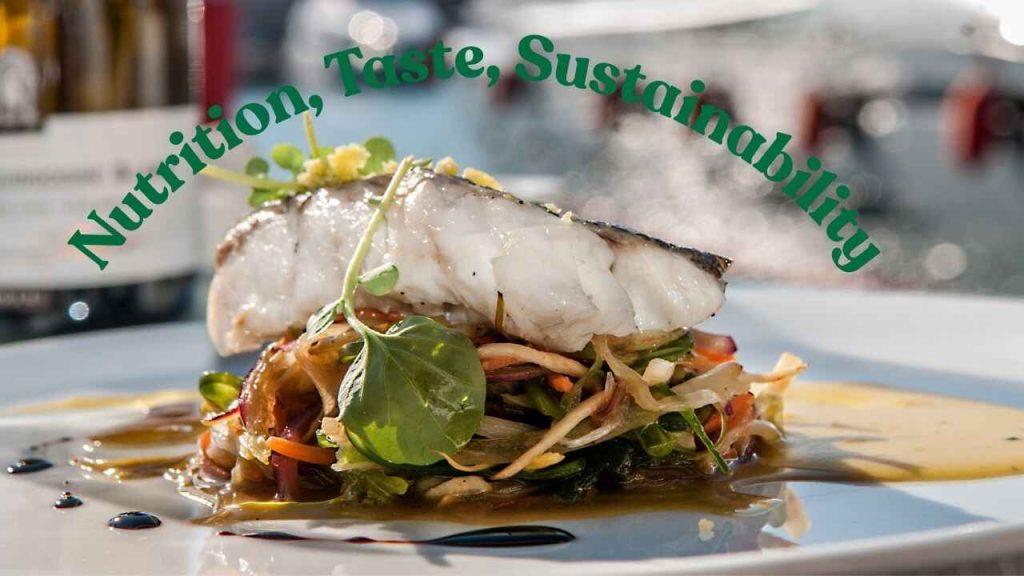
Learn what Alaskan seiti really is, how it tastes, whether it’s healthy, and why it’s considered a sustainable seafood choice. Complete guide with cooking tips.
“Alaskan seiti” as a market or regional name commonly used for Alaska pollock, scientific name Gadus chalcogrammus, a mild whitefish from the North Pacific.
Introduction:
If you’ve come across the term Alaskan seiti and wondered whether it’s a rare fish, a premium seafood label, or just another name for something familiar, you’re not alone. The name sounds unusual, which is exactly why it catches attention. But the truth is simpler and more useful: in many cases, Alaskan seiti refers to Alaska pollock, one of the most widely eaten whitefish in the world.
That may not sound glamorous at first, but it should. Alaska pollock has quietly become one of the most important seafood species on the planet. It feeds millions of people, supports major fisheries, appears in everything from frozen fillets to fish sandwiches and surimi, and is often praised for being a practical sustainability success story. It is affordable, versatile, easy to cook, and mild enough for people who normally say they “don’t like fish.”
So why does the name seiti create so much confusion? Mostly because seafood naming changes across countries, languages, and markets. For shoppers, that can make buying seafood feel harder than it should be. For marketers, it can make ordinary fish sound more exotic than it really is.
This guide clears up the confusion. You’ll learn what Alaskan seiti actually is, how it tastes, whether it’s healthy, why it matters in sustainable seafood conversations, how to buy it wisely, and how to cook it so it tastes far better than the bland versions many people expect from whitefish.
What Is Alaskan Seiti?
In most modern market usage, Alaskan seiti is Alaska pollock. That family connection explains a lot about its texture and cooking behavior. If you’ve eaten cod, haddock, or another flaky whitefish, you already have a rough idea of what to expect.
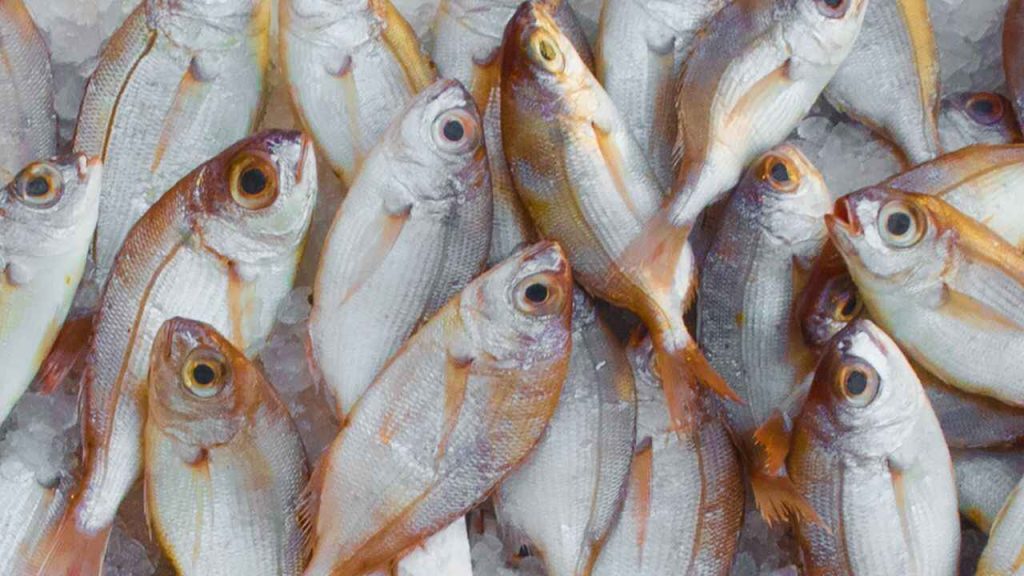
Alaska pollock lives in the coldest water and the Gulf of Alaska. Those waters are highly productive and support large fish populations, which is one reason pollock has become such a major commercial species. Several background guides describe “seiti” as a trade or regional market name used for this fish in some contexts, even though the naming can vary by country and cause confusion with other pollock-related terms.
For everyday buyers, the practical point is this: if you see Alaskan seiti, treat it as a name that usually points to Alaska pollock, not to some mysterious rare species.
Why the Name Causes So Much Confusion
The seafood industry has always had a naming problem. Fish often carry:
- a scientific name
- one or more accepted market names
- local names
- imported trade names
- marketing labels designed to sound more premium
That is exactly what happens here. The word seiti has been used in some non-U.S. markets, and online articles often mix together naming traditions from different regions. That leads to a lot of contradictory explanations. Some articles even mistakenly connect Alaskan seiti to Pacific cod, while stronger topic-specific guides identify it as Alaska pollock instead.
That gives people the answer they actually need without making the topic sound more mysterious than it is.
Alaskan Seiti vs Cod, Haddock, and Tilapia
Is Alaskan Seiti Rare?
No. The name is unusual, but the fish is not rare.
Alaska pollock is not a niche luxury fish. One guide notes that pollock is often perceived as “rare” only because many consumers eat it in processed forms rather than seeing it sold as a named star ingredient.
That makes sense. Many people have eaten pollock without realizing it. It commonly appears in:
- fish sticks
- frozen breaded fillets
- fish sandwiches
- imitation crab made from surimi
- prepared seafood meals
- budget-friendly whitefish portions
So the fish itself is common. What feels uncommon is the label.
Taste and Texture: What Does Alaskan Seiti Taste Like?
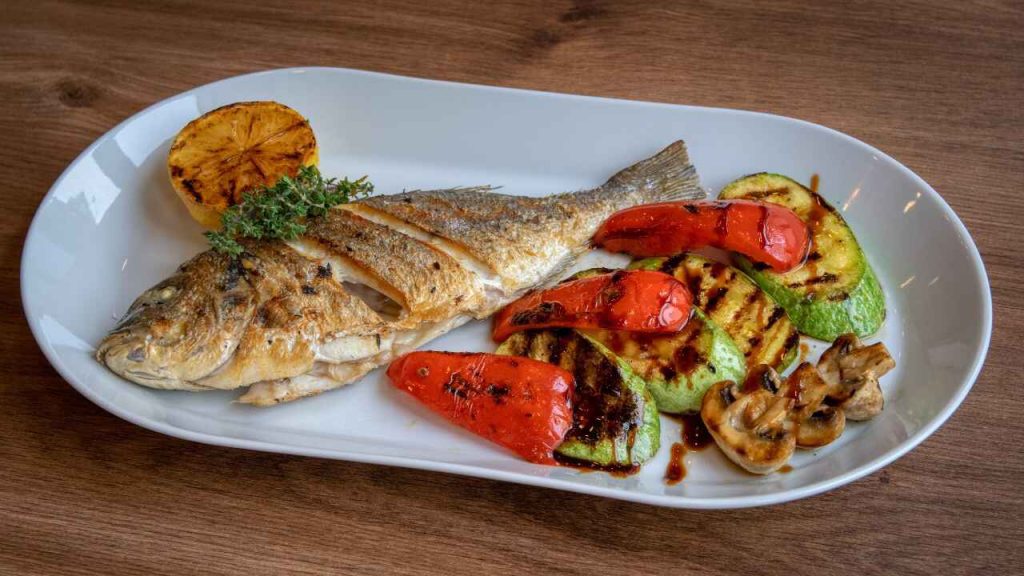
Alaskan seiti has a mild, clean, slightly sweet flavor with a lean, flaky texture. It is not strongly fishy, oily, or overpowering. That is one of its biggest strengths.
People who enjoy rich seafood like salmon or mackerel may find it subtle. But that subtlety is exactly why it works so well in home cooking and large-scale food production. It adapts easily to sauces, coatings, herbs, spices, and marinades. Several guides describe it as a blank canvas or a sauce-friendly fish because it takes on surrounding flavors so well.
In practical terms, here’s what to expect:
- Flavor: delicate, mild, lightly sweet
- Texture: flaky, tender, softer than cod
- Oil level: low compared with salmon
- Best trait: easy to pair with bold seasonings
The main downside is that it can turn boring fast if overcooked. That is not because the fish is low quality. It is because lean whitefish loses moisture quickly.
Is Alaskan Seiti Healthy?
Yes, in general Alaskan seiti is a healthy fish choice.
Available coverage consistently describes Alaska pollock as a lean, high-protein, low-fat whitefish that also contains useful nutrients such as vitamin B12, selenium, and phosphorus. Some reports also note that it tends to be naturally lower in mercury than larger predatory fish, which helps explain why it is often considered suitable for regular consumption within standard dietary guidance.
Typical nutrition strengths
- High in protein for its calorie level
- Low in fat, especially compared with oily fish
- Lower in calories than many meat proteins
- Contains important micronutrients, especially B12 and selenium
- Often seen as a practical option for lighter meals
This does not mean it beats every fish nutritionally. Salmon, sardines, and mackerel bring more omega-3 fat. But if your goal is lean protein, affordability, and regular usability, Alaskan seiti performs very well.
Sustainability: Why This Fish Gets So Much Attention
This is where Alaskan seiti really stands out.
A major reason Alaska pollock gets attention from seafood experts is its reputation for strong fishery management. Multiple reports describe U.S. Alaska pollock as a sustainably managed fishery and point to long-running certification and monitoring systems. Publicly available guides also note that the fishery has been associated with Marine Stewardship Council certification and is often cited as one of the best-known examples of large-scale sustainable wild capture seafood.
That matters because many seafood buyers now ask two questions before purchase:
- Is it good for me?
- Is it responsibly sourced?
Alaskan seiti often scores well on both.
Why sustainability matters here
- The fish comes from a major regulated fishery.
- Management is typically based on stock assessments and catch limits.
- It is often held up as an example of science-based commercial fishing.
- It offers an alternative to seafood choices with more sustainability concerns.
Of course, shoppers should still check labels, origin, and certification where possible. “Pollock” alone is not always enough context. But Alaska-origin pollock sold as Alaskan seiti often carries a stronger sustainability story than many consumers expect from an affordable whitefish.
People often want to know how Alaskan seiti compares with more familiar fish.
Alaskan seiti vs cod
Cod is usually firmer and a bit richer in texture. Alaskan seiti is milder, softer, and often cheaper. If you like sturdy fillets for roasting or fish and chips, cod may feel more substantial. If you want a lighter, everyday fish for tacos, bowls, or quick dinners, seiti works beautifully.
Alaskan seiti vs haddock
Haddock often has a slightly sweeter, more distinct taste. Alaskan seiti is plainer, but that can be an advantage when you want the seasoning to lead.
Alaskan seiti vs tilapia
Tilapia is another mild, affordable fish, but its production methods vary widely because much of it is farmed. Alaskan seiti is usually valued for its wild capture and stronger sustainability reputation in Alaska-origin supply chains.
How to Buy Alaskan Seiti Smartly
If you want quality, don’t focus only on the fancy wording on the package. Focus on species, origin, and condition.
What to look for
- Alaska pollock / Gadus chalcogrammus on the label when available
- Origin from the Bering Sea or Gulf of Alaska
- Frozen-at-sea or well-frozen fillets
- Clear packaging without excessive frost buildup
- Credible sustainability labeling when available
A strong buying tip repeated across seafood coverage is that frozen can be the better choice. Because pollock is often processed and frozen quickly after harvest, frozen fillets may actually give you better value and more consistent quality than fish sold as “fresh” after long transport.
Best Ways to Cook Alaskan Seiti
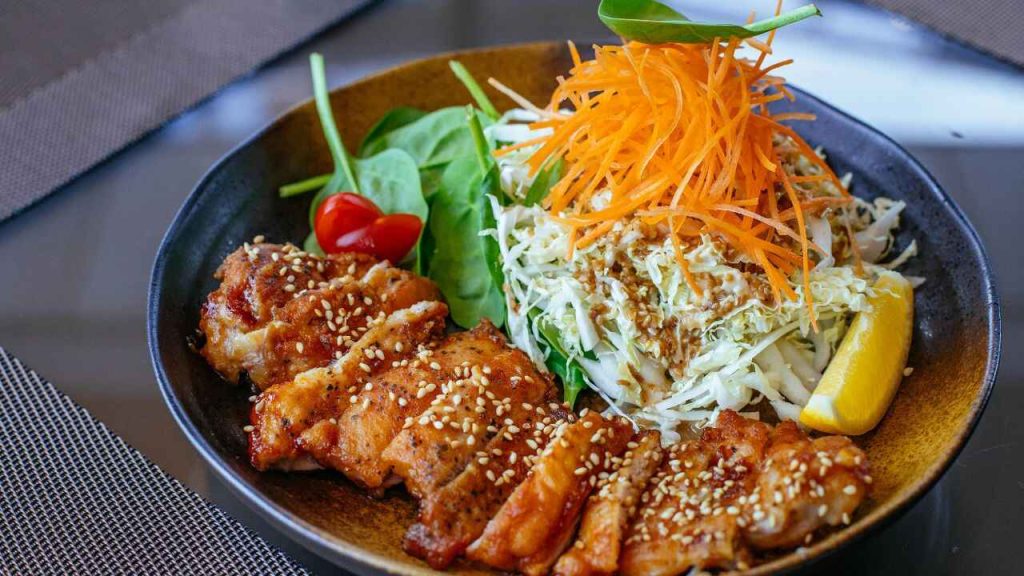
Alaskan seiti is easy to cook, but there is one rule that matters more than anything else:
Do not overcook it.
Fast cooking methods work best.
1. Pan-seared
Pat the fillets dry. Use salt, pepper, paprika, and garlic. Sear in a hot pan with a little oil or butter for a few minutes per side. Finish with lemon juice and herbs.
2. Oven-baked
Bake at a fairly high temperature with olive oil, garlic, and a topping such as breadcrumbs, herbs, or a light butter sauce. This is one of the easiest weeknight methods.
3. Crispy fish tacos
This fish is excellent in tacos because the mild flavor supports slaw, lime, chili sauce, avocado, or salsa without competing.
4. Chowder or curry
Its flaky texture works well in soups and sauce-based dishes.
5. Air fryer
If you want speed and texture, the air fryer works especially well for breaded or lightly coated fillets.
Common Mistakes That Make It Taste Bad
A lot of people think they dislike pollock when they actually dislike badly cooked pollock.
Here are the usual mistakes:
- Overcooking until it becomes dry
- Using too little seasoning
- Thawing poorly and leaving extra water in the fillet
- Cooking at too low a temperature and steaming it instead of searing or roasting
The fix is simple: dry the fish well, season it properly, and pair it with bold ingredients. Think lemon butter, chili crisp, miso glaze, garlic herbs, salsa verde, curry sauce, or crispy breading.
Why Alaskan Seiti Matters in the Real World
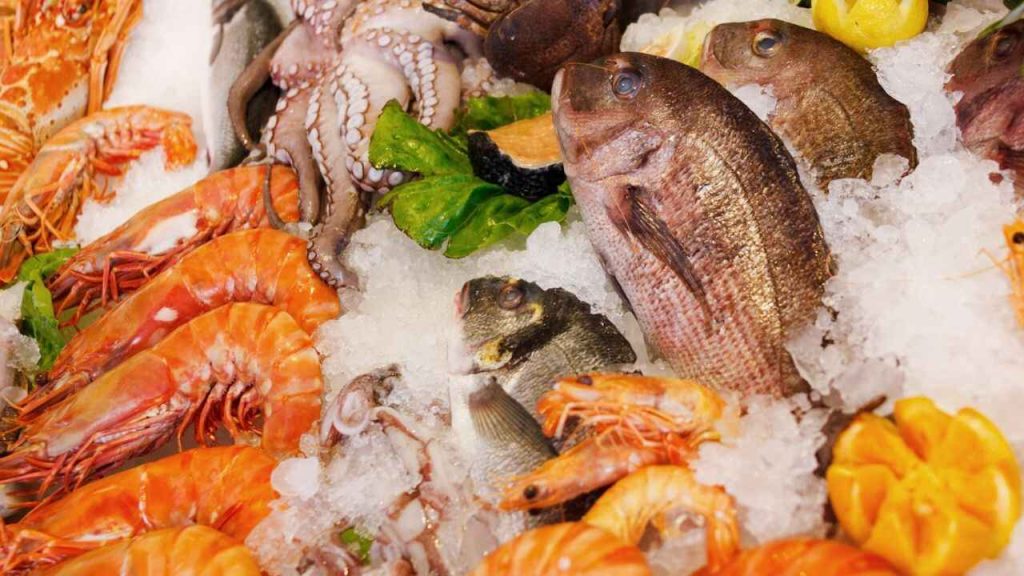
This fish is not just another item in the freezer aisle. It matters for larger reasons too.
It helps supply affordable seafood protein at scale. It supports fishing and processing jobs. It plays a major role in products that feed households looking for convenient meals. And unlike some fish that became popular only after being framed as luxury foods, Alaskan seiti built its place through usefulness.
That may be why it still gets underestimated.
In food culture, it get more attention than practical and responsible. But for most households, the better question is not “Is this impressive?” It is “Is this nutritious, affordable, adaptable, and a smart purchase?” A strong yes on all four.
Final Thoughts
Alaskan seiti may sound unfamiliar, but the fish behind the name is anything but obscure. In most contexts, it refers to Alaska pollock, a mild whitefish from the North Pacific that has become one of the world’s most important seafood staples. It is lean, versatile, budget-friendly, and widely recognized for strong sustainability credentials.