
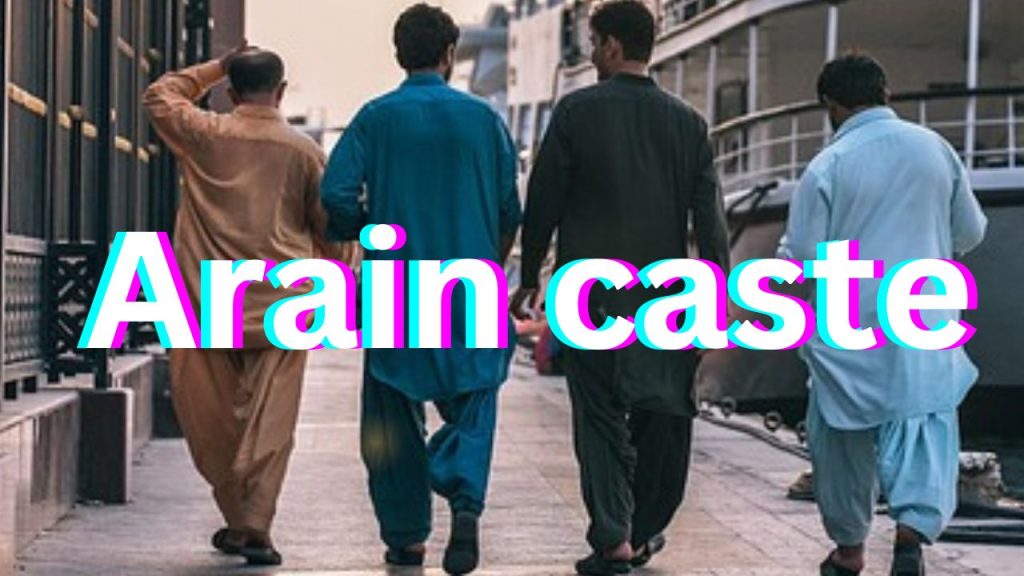
Uncover the unique history and cultural impact of the Arain caste. Learn 7 key facts about their legacy, traditions, and modern influence.
Historical Origins of the Arain Caste
Arain Caste Meaning
The Arain caste refers to a Muslim community historically known for agriculture, farming skills, and hard work.
Arain Caste History
The origin of the Arain cast is a topic of controversy between historians; however, there is a general agreement that the community has historical and deep-established roots in Punjab–India–Pakistan. According to early records, Arains were primarily involved with agriculture. The Arains were specialist tillers of the soil and in the art of irrigation and are credited with converting arid lands into fertile fields, particularly in Punjab. This agricultural heritage forms an integral part of the Arain community.
Arain caste population in Pakistan
According to the Joshua Project, a research group tracking ethnic people groups, the Arain community in Pakistan is estimated at around ~11.7 million people.
Central Asia or Native to Punjab
Historically, it is believed that the Arains came from Central Asia or Persia to the Indian subcontinent, maybe in the 11th and 12th centuries Muslim invasions. However, some assert that the Arains are originally from Punjab because they had been there from time immemorial.
Arain Contributions
The Arains have significantly contributed to the agricultural development of Punjab. This particular segment has been successful with crops such as rice, wheat, and sugarcane, which continue to dominate South Asia diets. Irrigation management is a domain in which the Arains have mastered crop production. Maximizing crop production made them economically prosperous and influential figures in the village.
Arains and the Canal Colonies
Under the British colonial regime of India, there was the Canal Colonies scheme that was intended to increase agricultural productivity. Most of the Arains were recruited and settled there due to acknowledged skills in farming. There, they could obtain recognition as good farmers who indeed turned out influential and with good socioeconomic standing.
Arain Family Values and Cultural Identity
The community of Arain is highly known for the commitment to family values and cultural identity. Arain families value education, hard work, and discipline, and these are what have defined success and resilience in that community. Traditionally, Arains followed a type of patrilineal descent, where family names and property are transferred through the male line. This has had the effect of maintaining close-knit family units and promoting loyalty and unity.
Religious Identity and Values of the Arain Community
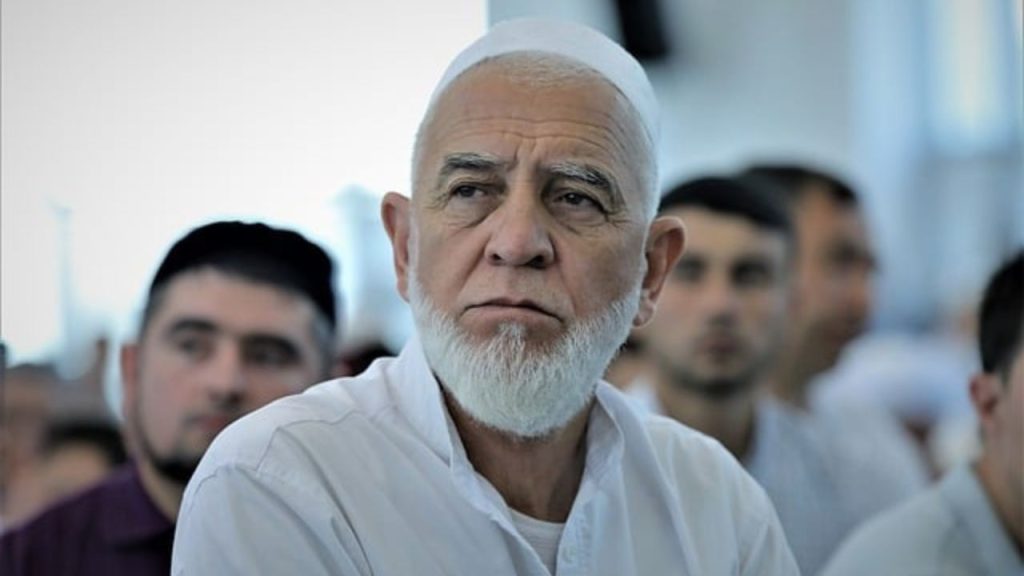
Religious identity also plays an essential role in the lives of the Arains, who are primarily Muslim. Their religion is one of the fundamental aspects of their life and has informed many of their norms, ethics, as well as social practices. The Arain community is mostly conservative and respects modesty with Islamic observances.
Political Impact of the Arain Caste
In addition to their farming skills, Arains have also made a strong impact in the political arena. Since the early years of the 20th century, members of the Arain community have been appointed at higher levels in terms of government, military, and public service. Leaders from the Arain caste have effectively shaped Pakistan’s political landscape; they are part of both local governance and national policy.
An Example
For example, Mian Mumtaz Daultana was an influential political figure of the time and continued to be Chief Minister of Punjab and therefore dominated most of the agricultural policies concerning agriculture and the general economic activity of the province. He simplified agriculture and farmland in Punjab, whose legacy still produces great fruit.
Many other Arains have ruled the highest offices in Pakistan’s government, judiciary, and military. This clearly testifies to the ability and adaptability of the community to transcend agriculture and other ways of service.
Hence, this trend tells us that education as a pursuit, combined with leadership, can indeed elevate not only their own community but society at large.
Education and Leadership Success

The Arains take education very seriously. For several generations, they valued knowledge and learning; thus, their children are encouraged to pursue higher education and professional careers. On account of this, most Arains are doctors, engineers, lawyers, and academics which has introduced a new dimension to the people’s achievements.
In Business
Today, Arain professionals are making great strides in medicine, technology, and business. In fact, many of the middle and upper classes in Pakistan’s urban sector are Arains. They have succeeded in winning prominent positions using the agricultural wealth they accumulated, along with their academic success.
Arain Transformation in Lahore
To understand the new meaning of the Arain caste, look at this community in Lahore, one of Pakistan’s largest cities. Traditionally, the Arains of Lahore were engaged in agricultural activities; after all, they always looked after vast tracts of farmland available on the periphery of Lahore city. However, with the ever-growing expansion of Lahore and urbanization, most of the Arain families adopted various other professions once they liquidated their fortunes and education to raise businesses, seek civil services, and enter legal and medical professions.
Arain Influence in Lahore
Today the Arains in Lahore excel with many influential Arain families dominating the economy, educational faculties, and political machinery of the city. For instance, various industries owned by Arains are growing and thriving in Lahore ranging from retail outlets to technology companies that describe their flexibility and business acumen.
Although the Arain community of Lahore is successful, this success summarizes a wider tendency among Arains in Pakistan. As they keep honoring education and business opportunities as well, Arains are diversifying their roles to make a mark beyond their prime focus on agriculture.
Challenges and Stereotypes
Like other South Asian communities, the Arains also have had their share of issues, like being a victim of stereotypes and having caste-based prejudice. Though many of them have done significantly well in society, some have social biases attached to them because of caste-based classification over ages. Though the Arain group has excelled in education and economic development, most face the problem of caste-based discrimination.
A new direction has, however, been seen in these lines, where the youth of the past decade or so has emerged to break all these myths of old times. Believing in education and professional acumen, the youth of Arain is creating a revolution to change the perception of the community.
Contemporary Trends and Future Scenarios

The Arain caste was poised to adapt with a changing world. Strong in agricultural pursuits, and emphasizing education, the Arains were increasingly reaching out into a broad cross-section of industries, so well-placed for further success. Now, Arains focus more on entrepreneurship, technology, and global opportunities, merging their traditional values with current aspirations.
One of the most noted areas of development for the Arain community is philanthropy. Most successful Arains have initiated charitable organizations and initiatives for education, health services, and welfare activities. Such projects are raising the Arain community but also the surroundings at large, as a reflection of their social responsibility. Read about why you should never retire.
Conclusion
Arains are the epitome of resilience, adaptability, and hard work shaping South Asia’s plural social landscape in a healthy way. From the agrarian agricultural origins in fertile Punjab territory to the modern-day stage of business, politics, and education, the great contributions that Arains make to society have been shown clearly.
It would be the greatest story for the tale of an Arain community because it features the insight into the cultural strength of heritage and the power of education to lead towards social mobility. To understand the larger narrative of South Asian communities wanting progress, unity, and moving forward into a brighter future, one needs to understand the story of the Arain caste.